
Information System
Also known as: TRACES NT · EU Information System
The EU Information System where operators submit Due Diligence Statements and receive reference numbers — commonly referred to in practice as TRACES NT.
What it means
The regulation requires electronic submission of Due Diligence Statements through the Union Information System. In practice that system is operated as TRACES NT; field guides on this site usually say “Information System” for the legal duty and mention TRACES where the operational interface matters.
In the regulation
Operators submit statements electronically via that system. Downstream actors rely on the reference numbers it returns. Non-SME downstream operators and traders must still register even when they do not file.
How ERWAY treats it
ERWAY prepares and tracks statement packs for submission to the Information System; the product tour’s DDS step mirrors the fields teams face at filing time.
Related terms
- Filing & enforcement
Due Diligence Statement
The filing by which the first-placing operator formally declares that due diligence was carried out and that risk is negligible — required at every country risk tier.
- Roles & obligations
Operator
The person who first places a relevant product on the EU market, or exports it — and who files the Due Diligence Statement for that placing.
- Filing & enforcement
Competent authority
The national authority that checks operators, can order interim measures, and applies Article 25 penalties — with minimum check rates of 1% / 3% / 9% by country risk tier.
Keep reading
 Filing & enforcement
The Due Diligence Statement and the EU Information System, end to end
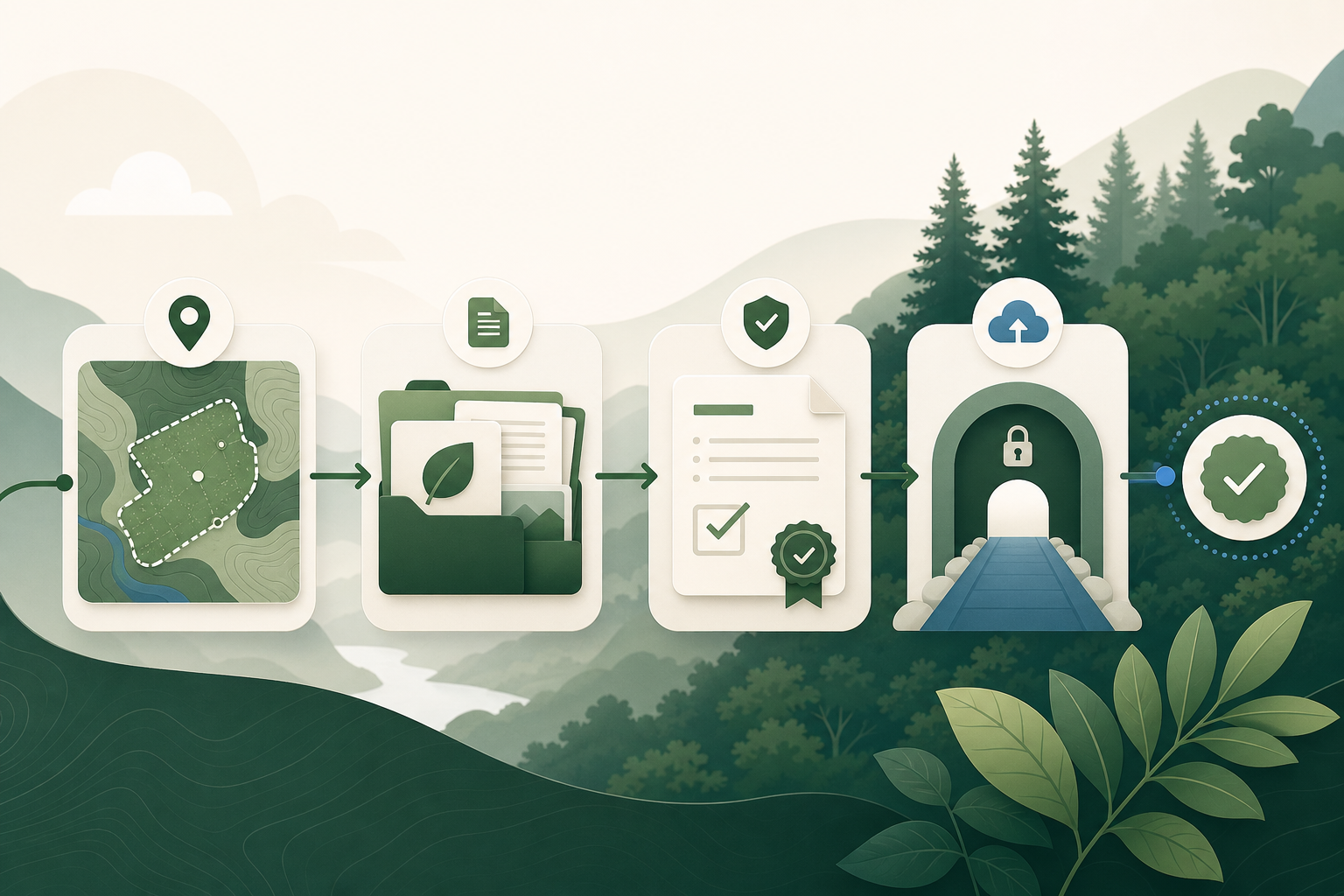
What goes into an EUDR due diligence statement, how it reaches the EU Information System, what the reference number is for, and what the 2026 rebuild changed.
6 min read